
























































![[color:savanna stone]](http://www.lordsandlabradors.co.uk/cdn/shop/files/savanna-stone-box-bed_2ca02489-c009-499b-b051-4c8be1270b5c.jpg?v=1690282259&width=533)













![[color:savanna stone] Discover The Perfect Luxury Pet Bandana, in Stunning Savanna Stone! Available To Personalise Now at Lords & Labradors](http://www.lordsandlabradors.co.uk/cdn/shop/files/savanna-dog-bandana-by-lords-and-labradors-1_abe91c34-2011-4693-9829-b9fe33af94cc.jpg?v=1690282584&width=533)


What to do With Old Dog Beds
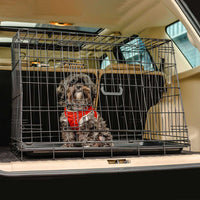
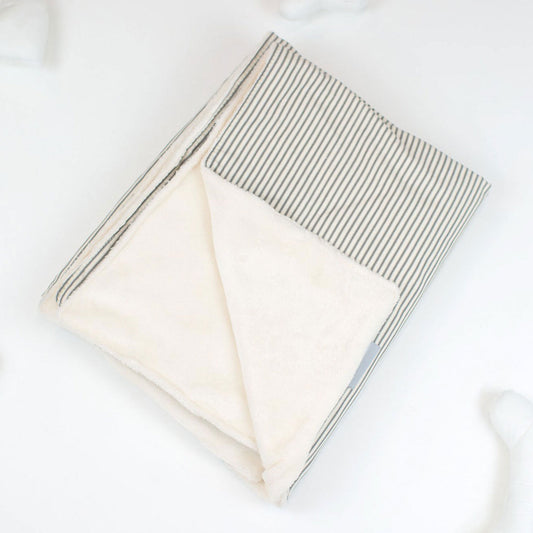
Once you know where your old dog bed stands, the next question is what to actually do with it. And the answer is rarely as simple as tossing it in the bin and moving on. Depending on its condition, an old dog bed might have plenty of life left in it as a donation, a repurposed household staple, or even a refreshed sleeping spot with a few simple fixes. Even beds that are truly beyond saving deserve a more thoughtful send-off than landfill if you can manage it. Here is a look at every option worth considering, so you can make the right call for your dog, your home, and the environment. How to tell if an old dog bed is ready for reuse, repair, or retirement Before deciding what to do with old dog beds, take a moment to honestly assess whether they're still safe and comfortable for your furry friend. This quick evaluation will guide you toward the right next step, whether that's a thorough clean, creative repurposing, or complete retirement. Start with the support test. Press down firmly on different areas of the bed. Has the filling compressed into hard, uncomfortable lumps? Does it feel completely flat where your dog usually sleeps? When a bed loses its cushioning, it's no longer providing the joint support your pup needs, especially as they age. Run your hands along all the seams and fabric surfaces, checking for tears or worn spots. Even small holes can quickly become bigger problems when curious dogs start pulling at loose threads. More importantly, exposed stuffing creates a choking hazard that's simply not worth the risk. Now for the smell test – probably the most telling assessment of all. While pet beds naturally develop some odour over time, anything that persists after a proper wash signals trouble. Deep-set smells usually mean urine or bacteria have penetrated the filling, creating an unhygienic situation that regular cleaning can't fix. Look closely for any signs of moisture damage. Black spots, strange discoloration, or that telltale musty smell all point to mold or mildew. These beds pose genuine health risks and should be retired immediately, no matter how attached your dog might be. Finally, check whether the interior materials are breaking down. Loose foam pieces or escaping stuffing bits can be dangerous if swallowed. If your dog's bed passes these checks but just needs refreshing, you're in luck – some simple fixes might give it new life. However, beds with serious structural damage, stubborn odours, or any signs of mould need to go. When you're ready to replace it entirely, choosing the right bed from the start can help you avoid these issues down the road. The good news? Even beds that are no longer suitable for sleeping can often find new purpose around your home. Can you recycle old dog beds? What to check before you throw one away The honest truth about recycling dog beds? It's trickier than most of us would like. Dog beds are basically material sandwiches—foam padding wrapped in fabric covers, complete with zippers, waterproof linings, and sometimes memory foam. Your local council treats each of these components differently, which means the whole bed rarely goes anywhere together. Before you surrender to the general waste bin, spend five minutes separating the parts. It's often the difference between responsible disposal and adding to landfill unnecessarily. Start by dismantling what you can: Pull off any removable covers first—these fabric pieces have the best shot at finding a second life somewhere. Check the care labels while you're at it to identify whether you're dealing with cotton, polyester, or blends. Next, separate the stuffing from waterproof backing. You'll likely find polyester filling, memory foam chunks, plastic zippers, and vinyl or PVC waterproof layers. Each material follows different disposal rules. Then do some local detective work: Ring your household waste and recycling centre directly about foam components. Many accept bulky foam items but don't shout about it on their websites. Ask specifically about pet bedding—some centres have dedicated areas you wouldn't know existed. Check if textile banks near you accept clean pet bedding covers. Policies vary wildly, but some clothing donation points and textile recycling spots will take clean fabric, regardless of its previous four-legged occupants. Reality check time: Genuinely recyclable dog beds are unicorns because of these mixed materials. Don't expect the whole bed to fit into your household recycling bin—focus on separating components properly instead. Council guidelines shift regularly too, so what worked last year might not apply now. A quick phone call beats assumptions every time. Sometimes the kindest environmental choice when deciding what to do with old dog beds isn't recycling at all—donation or repurposing often makes more sense for beds with life left in them. Easy ways to repurpose an old dog bed around the house Before you decide what to do with old dog beds, consider giving yours a second life around the house. When a bed isn't quite right for your pup's nightly sleep anymore but still has decent structure and padding, repurposing can be both practical and eco-friendly. Here are some clever ways to put that old bed to work: Crate padding - Cut the cushion to fit inside your dog's travel crate or use it alongside dedicated dog crate beds for extra comfort during car journeys or vet visits. Just make sure it doesn't make the space too cramped. Car boot liner - Pop the old bed in your boot to protect the carpet when transporting muddy dogs, wet gear, or gardening supplies. The waterproof backing on many dog beds makes this particularly brilliant. Garden kneeling pad - Transform a flat bed into your new best friend for weeding and planting. Your knees will thank you, and it beats buying a separate gardening mat. Muddy paw station - Position it by your back door as a landing spot for wet or dirty paws after walks. Trust me, it's much easier to chuck an old dog bed in the wash than constantly mop floors. Utility room comfort spot - Create a cosy corner where your dog can rest while you tackle laundry or household tasks. It gives them their own designated space without claiming prime real estate elsewhere. Outdoor relaxation mat - Perfect for patios or garden lounging during supervised outdoor time. This works especially well for older dogs who need softer surfaces under their joints. Before repurposing any bed, give it a thorough wash and inspection. Skip the reuse entirely if the bed is heavily soiled, torn beyond repair, or if your dog had any contagious health issues while using it. Some wear and tear is absolutely fine, but hygiene and safety come first. A good clean and perhaps a fresh washable cover can extend the useful life of many beds that aren't quite ready for the bin. When donating makes sense — and when it doesn’t Donating your old dog bed can genuinely help rescue animals, but shelters and rehoming centres have standards they need to maintain for the vulnerable pets in their care. Most organisations desperately want quality bedding, yet they can only accept items that meet basic safety and hygiene requirements. Reputable shelters typically look for beds that are: Structurally sound with no rips, tears, or exposed stuffing that animals might swallow Free from heavy stains, persistent odours, or deep-set smells that won't budge Made from materials that can be properly sanitised between different animals From smoke-free homes, since many rescue animals arrive with respiratory sensitivities Even beds donated with the best intentions often get declined for safety reasons. Heavily soiled bedding that can't be thoroughly cleaned poses health risks. Torn covers with protruding filling create choking hazards. Items carrying persistent smells from accidents, medications, or strong household scents can overwhelm sensitive noses. Beds that are completely flattened or worn out simply won't provide the comfort rescue animals need. Here's the crucial bit: call ahead instead of just showing up with your old bed. Shelter staff know their current needs, any temporary restrictions, and whether your specific bed meets their standards. Some facilities get swamped with donations during peak seasons, while others might be running short on bedding. This quick conversation saves you a pointless trip and ensures your bed actually helps animals rather than creating extra work for already stretched volunteers. When shelters receive unsuitable donations, they face disposal costs that could have been spent on veterinary care or food instead. Simple DIY fixes if your dog’s favourite bed just needs a refresh Sometimes what to do with old dog beds isn't about disposal at all. If your pup still gravitates toward their well-worn favorite, a few simple refreshes can breathe new life into a bed that's structurally sound but looking tired. These budget-friendly fixes let you extend the bed's lifespan while keeping your dog happy with their familiar spot. Restuff with fresh filling - Remove old, compressed stuffing and replace it with new polyester fiberfill, memory foam pieces, or even repurposed stuffing from old pillows. You'll be amazed how this instantly restores bounce and support to a flat, tired bed. Patch small tears and worn spots - Use fabric patches or iron-on repair tape to seal minor rips before they become major problems. Sturdy canvas or denim works brilliantly for high-wear areas where your dog's nails might catch. Add a removable washable cover - Slip a pillowcase over smaller beds or sew a simple zippered cover using durable fabric. This protects the original bed while making your life infinitely easier when accidents happen. Layer with protective throws or blankets - Quality washable options like those in Lords & Labradors' twill bedding collection work beautifully as protective layers. They add comfort while creating a barrier against dirt, drool, and those mysterious wet paw prints. Reinforce loose seams and edges - Hand-stitch wobbly seams or add fabric tape to prevent further unraveling. Focus on the spots where your dog climbs in and out, since that's where most wear happens. These DIY solutions work best when the bed's basic structure remains solid and your dog genuinely still enjoys their spot. A few hours of simple repairs can easily add months or even years to a beloved bed's life, making this approach both wallet-friendly and wonderfully practical. Choosing a better replacement bed so the next one lasts longer If you've reached the end of the road with your current dog bed, now's the perfect moment to invest in something that will genuinely last. The secret isn't grabbing whatever catches your eye online—it's matching your choice to your dog's actual sleeping habits and your household's reality. Start by watching how your dog sleeps. Does she curl up like a croissant, sprawl out like she owns the place, or lean against walls for security? Sprawlers need generous space to stretch, while curlers love raised edges that create a cosy nest feeling. Senior dogs benefit enormously from memory foam or orthopaedic support, especially if you've noticed them moving stiffly after naps. Your home's practical demands matter just as much. If your dog tracks in mud or spends time outdoors, prioritise beds with removable, machine-washable covers. Heavy shedders do better with smooth fabrics that release hair easily, while determined chewers need reinforced seams and bite-resistant materials. These details trump pretty patterns every time when you're trying to avoid another round of what to do with old dog beds. Size matters more than most people think. Too many of us choose beds that look proportional to our living rooms rather than comfortable for our dogs. Your pup should stretch out fully without bits hanging over the edge. When torn between two sizes, go bigger. Quality construction determines how long your investment lasts. Double-stitched seams, robust zippers, and filling that won't pancake flat within months—these features separate beds that endure from ones destined for quick replacement. Our guide to picking a dog bed walks through evaluating construction quality before you commit. Better beds cost more upfront, but they'll save you money and disposal headaches down the line. Your dog deserves proper comfort, and you deserve not to repeat this replacement dance every year.