




































































![[color:savanna stone] Discover The Perfect Luxury Pet Bandana, in Stunning Savanna Stone! Available To Personalise Now at Lords & Labradors](http://www.lordsandlabradors.co.uk/cdn/shop/files/savanna-dog-bandana-by-lords-and-labradors-1_abe91c34-2011-4693-9829-b9fe33af94cc.jpg?v=1690282584&width=533)


Dog Sleeping Positions And What They Mean
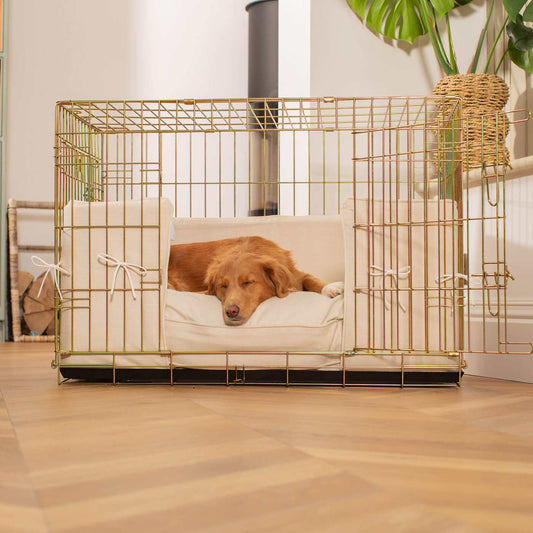
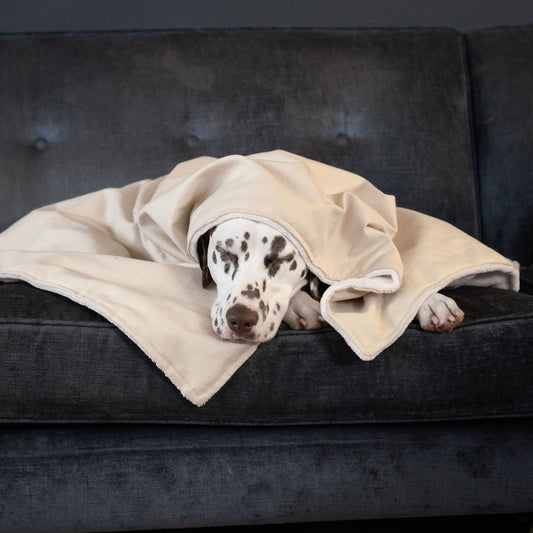
Whether your dog sleeps like a pretzel or sprawls like they own the entire bed, their bedtime habits are telling a story worth paying attention to. Dogs communicate so much through body language when they're awake. It turns out, they keep right on communicating even when they're snoozing. From the tight little donut curl to the full belly-up flop, each position is a small window into how your pup is truly feeling. Here's what the most common dog sleeping positions actually reveal and what simple changes you can make to help your dog sleep even better. Why Dog Sleeping Positions Matter More Than You Might Think Most of us have caught our dogs in some pretty amusing sleep positions—sprawled like starfish across the entire sofa, curled up so tight they look like furry donuts, or somehow managing to sleep upside down with their legs dangling off the couch. But here's something that might surprise you: those quirky dog sleeping positions actually reveal quite a bit about what's going on in your pup's world. The way your dog chooses to settle down for a snooze often reflects how they're feeling in that moment. Are they warm enough? Do they feel safe and secure? How deeply are they planning to rest? A dog who flops onto their back with all four paws in the air is essentially saying "I feel completely safe here"—after all, exposing that vulnerable belly takes serious confidence. Meanwhile, a dog curled into a tight little ball might be conserving body heat or seeking that cozy, protected feeling we all crave sometimes. Learning to read these sleeping cues can help you better understand your dog's comfort levels and make thoughtful tweaks to their sleep setup when needed. Just remember that dog sleeping behavior is more like a helpful hint than a definitive diagnosis. If your usually sprawling Lab suddenly prefers tight curls, it could signal something worth noting—or they might have simply discovered that smaller positions feel extra cozy on chilly nights. Common Dog Sleeping Positions and What They Usually Mean Every dog has their favorite way to settle down for a snooze, and these dog sleeping positions offer fascinating glimpses into how your furry friend is feeling. While every pup is unique, certain sleep styles often reflect similar needs for comfort, security, or temperature control. Think of these patterns as gentle clues about your dog's inner world rather than absolute rules. The Curled Up Ball: Your dog tucks their paws under their body and wraps their tail around themselves, creating a cozy circle. This classic position helps conserve body heat and protects vital organs, suggesting your pup might be feeling chilly or seeking extra security. You'll see this one especially often with smaller dogs or during cooler weather. The Side Sleeper: Lying on their side with legs extended signals a relaxed, comfortable dog. This position shows real trust in their environment since it leaves their belly completely exposed. Dogs who regularly choose this sleep style tend to feel secure and settled in their home. The Sphinx Pose: Your dog lies on their belly with front paws stretched forward and head up or resting on their paws. This position allows for quick movement if needed, so it often means your dog wants to rest but stay somewhat alert to their surroundings. Perfect for the family guardian who's always on duty. The Superman: Sprawled flat on their belly with all four legs stretched out makes your pup look like they're flying through dreamland. This position helps dogs cool down quickly and is especially popular with energetic breeds who want to be ready to spring back into action at a moment's notice. The Back Sleeper: A dog sleeping on their back with belly exposed demonstrates ultimate trust and confidence. This vulnerable position also provides maximum cooling, so you'll often spot it during warmer weather or after particularly active play sessions. Not all dogs feel comfortable enough to sleep this way. The Burrower: Some dogs love tunneling under blankets, pillows, or even your laundry pile. This cozy habit usually indicates a desire for warmth and security, creating their own little den where they feel completely protected from the world. The Cuddle Bug: Dogs who press against you, other pets, or furniture while sleeping are seeking comfort through physical contact. This bonding behavior shows deep affection and often means your dog finds the most security when close to their favorite family members. Your dog's sleeping habits will naturally shift based on the season, their age, and daily activities. The most valuable insights come from noticing your individual dog's patterns over time rather than analyzing any single sleep session. What Your Dog’s Sleep Style Can Tell You About Comfort, Temperature, And Routine While your dog's sleeping position might seem like pure preference, it's actually shaped by practical factors like their age, breed, and daily environment. Understanding these influences helps you create the perfect sleep setup that truly works for your pup. Several key factors determine how your dog chooses to rest: Age and joint comfort: Senior dogs with arthritis often curl up tightly for joint support and warmth, while puppies sprawl everywhere without a care. If your older Labrador suddenly starts sleeping stretched out instead of curled up, they might be telling you that tight positions now feel uncomfortable on stiff joints. Coat type and temperature regulation: Thick-coated breeds like Golden Retrievers frequently sleep belly-up or sprawled on cool floors during warmer months, while thin-coated dogs like Whippets burrow under blankets or curl into tight balls to stay warm. Room temperature and seasonal changes: Your dog's positions shift naturally with the weather. That same pup who sleeps belly-up on kitchen tiles in July might switch to curling against your legs when January rolls around. Bed placement and household activity: Dogs sleeping in busy family areas often choose alert positions like lying on their side with ears perked, while those in quiet bedrooms feel secure enough for deep sleep on their backs with legs in the air. Exercise and daily routine: Well-exercised dogs typically sleep more soundly in relaxed positions, while under-stimulated pups might sleep lightly, ready to spring into action at any sound. Pay attention to your dog's patterns throughout different seasons and life stages. Simple adjustments like adding a heated bed for creaky joints or moving their sleeping spot away from drafty hallways can transform their comfort. These dog sleeping positions reveal genuine comfort needs rather than just adorable quirks. When a Change in Sleeping Position Is Worth Paying Attention Most dogs naturally shift between different sleeping positions based on comfort, temperature, and mood, but some changes in sleeping behavior deserve a closer look. While occasional variation is perfectly normal, persistent shifts in how or where your dog sleeps can sometimes signal underlying discomfort or stress. Here are specific warning signs to watch for in your dog's sleeping behavior: Sudden restlessness or inability to settle into any position for more than a few minutes Reluctance to lie down or frequent repositioning throughout the night Unusual stiffness or difficulty getting up from their sleeping spot Seeking isolated hiding spots for sleep when they normally enjoy being near the family Sleeping in uncharacteristic locations, like choosing hard floors when they typically prefer their cozy bed Panting, whining, or showing signs of discomfort while trying to settle These changes in dog sleeping positions may indicate pain, joint discomfort, anxiety, or other health concerns. If you notice these behaviors persisting for more than a few days, or if they're accompanied by other symptoms like changes in appetite or energy levels, it's worth having a conversation with your vet. Keep in mind that not every position change signals trouble. Your dog might simply be adjusting to seasonal temperature shifts or responding to household changes like a new baby or recent move. The key is paying attention to patterns and trusting your instincts about what feels normal for your particular pup. You know your dog better than anyone. How To Help Your Dog Sleep Well In The Position That Suits Them Best Understanding dog sleeping positions gives you a wonderful starting point for creating the perfect sleep setup for your furry friend. The key is observing what your dog naturally gravitates toward, then making small adjustments to support their preferences. Start with the basics: a quality bed that matches their sleeping style. Dogs who love to stretch out need plenty of space, while those who curl up tight often prefer smaller, cosier spots with raised edges for that den-like feeling. If your dog sleeps on their back, they're telling you they feel completely secure and tend to run warm, so focus on breathable materials rather than thick padding. Temperature makes a real difference too. Notice where your dog chooses to sleep throughout the seasons. That summer floor-sleeper might appreciate a cooling mat, while your winter cuddler often benefits from a warmer, more insulated bed. Location matters just as much as the bed itself. Some dogs sleep best right in the heart of family activity, while others need a quiet corner away from the hustle and bustle. Watch whether your dog seeks out the same spot consistently or moves around based on household rhythms and the time of day. Keep an eye on any sudden changes in sleeping behavior, as these can sometimes signal discomfort or health shifts worth discussing with your vet. Most importantly, let your dog's natural preferences guide your choices rather than trying to change what already works perfectly for them.