













































































Have you ever found yourself relaxing on the sofa with your furry companion curled up beside you, softly vibrating with that unmistakable cat purring sound? Whether it's a gentle hum while they snooze or a loud, contented rumble when they're being stroked, cats and purring go hand in hand. But have you ever wondered—why do cats purr? Let’s dive into the world of feline communication to uncover the mystery behind this soothing sound.
The Science Behind the Purr Sound

A purr sound is produced by a cat’s laryngeal muscles, which twitch at a rapid rate—around 25 to 150 vibrations per second. This movement causes a separation of the vocal cords, producing the familiar rhythmic hum we all adore. Interestingly, the sound is created both when a cat inhales and exhales, making it a continuous, comforting presence.
Why Do Cats Purr? The Many Meanings of This Feline Sound
Cats purr for a variety of reasons, and while it’s commonly associated with contentment, the truth is that it serves multiple purposes. Let’s explore some of the key reasons:
1. Contentment and Relaxation
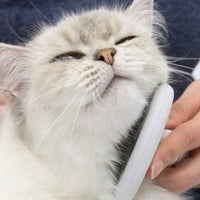
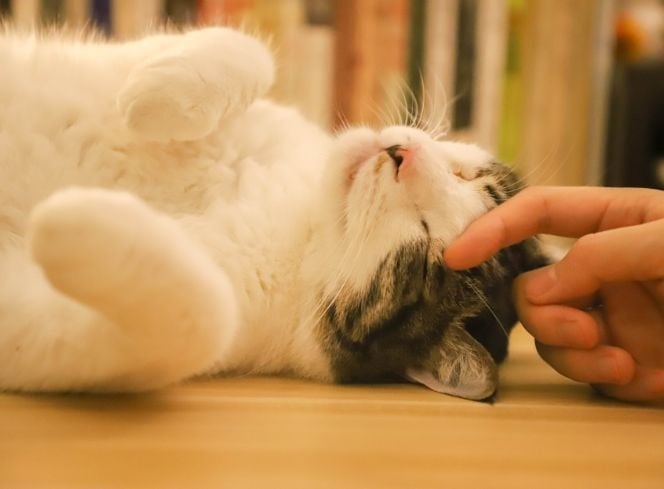
The most well-known reason for cat purring in sleep or during petting sessions is sheer happiness. When a cat is comfortable, feeling safe, and loved, purring serves as a signal of satisfaction. If your feline friend is snuggled up in their favourite spot, enjoying some downtime, their purring is likely a sign of total relaxation.
2. Communication with Their Humans
Cats use their purrs to communicate with us. Have you ever noticed that your cat’s purr sounds slightly different when they’re hungry? Studies suggest that some cats produce a more urgent purr, sometimes mixed with a soft meow, to grab your attention when it’s mealtime.
3. Self-Soothing and Healing
One fascinating aspect of cats and purring is its potential health benefits. Purring has been linked to self-soothing, helping cats calm themselves in stressful situations. What’s more, the frequency of a cat’s purr is believed to have healing properties, aiding in bone growth and tissue repair. This explains why cats might purr when they are injured or feeling unwell.
4. Bonding with Kittens
If you’ve ever heard kitten purring, you’ll know that it’s one of the sweetest sounds. From the moment they are born, kittens purr to bond with their mothers. This purring reassures their mother that they are safe and content, while also helping them stay close during nursing.
5. Stress and Anxiety Relief
Surprisingly, cats might purr when they are stressed or anxious. If your cat is in an unfamiliar environment or feeling uneasy, purring can act as a coping mechanism, helping to reduce their stress levels.
6. Seeking Attention
If your cat starts purring the moment you walk through the door, they’re likely seeking your attention. Whether they want food, playtime, or simply some affection, purring is a feline’s way of saying, "Notice me!"
Kitten Purring Meaning: What to Expect from Your Young Cat
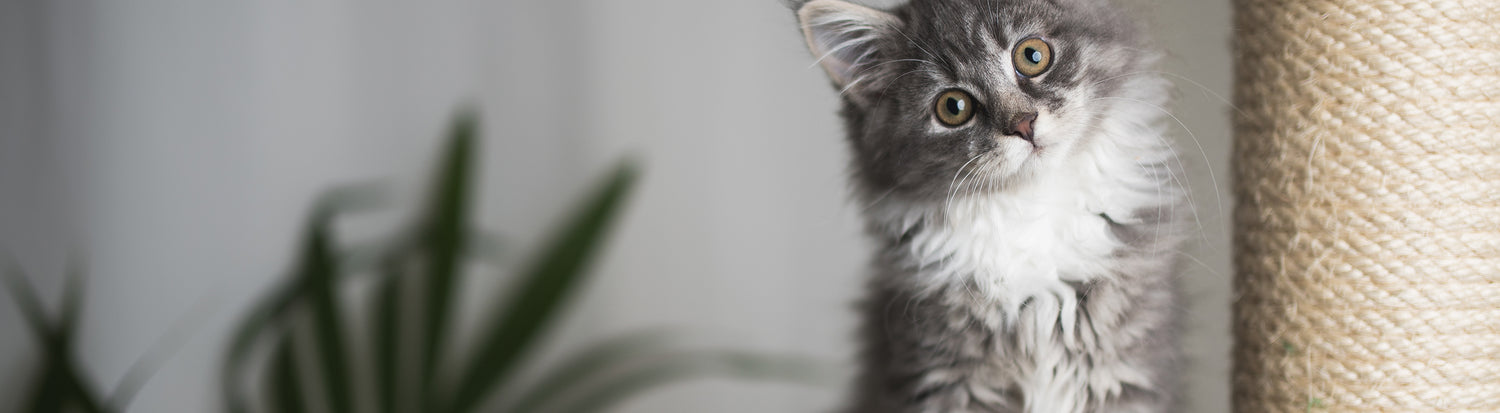
If you’re the proud owner of a young feline, you might be curious about kitten purring meaning. Kittens begin purring at just a few days old, often as a way to bond with their mother. As they grow, their purring may develop into a way to express contentment, seek comfort, or even indicate when they’re feeling playful.
Kittens often purr when being stroked, feeling full after a meal, or settling down for a nap. It’s their way of showing they feel safe and secure in their environment.
Why Does My Cat Purr in Their Sleep?
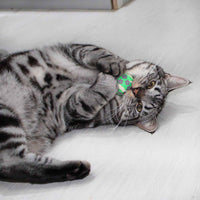
You might have noticed your feline producing a cat purring sound while they’re fast asleep. This typically indicates deep relaxation and a feeling of security. However, just like humans talk in their sleep, cats may purr due to dreams or subconscious processing of their day’s experiences.
If your cat purrs loudly while sleeping, it’s likely they’re in a particularly deep and peaceful state. Some experts also believe that purring during sleep might help with muscle relaxation and recovery.
How to Encourage a Happy Purring Cat

If you love the sound of your cat’s purr, there are a few ways to encourage it:
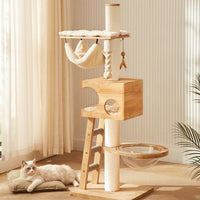
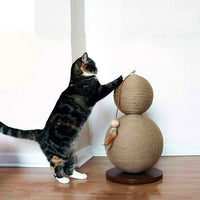
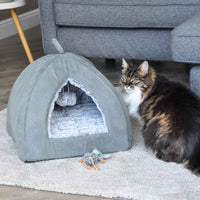
- Create a safe environment: Provide cosy spots, such as a plush cat bed or a cat tree, where your feline can feel secure.
- Offer gentle affection: Many cats enjoy head rubs, chin scratches, and soft petting, which can trigger contented purring.
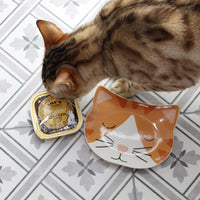
- Provide tasty treats: A happy cat is often a purring cat, and rewarding them with delicious treats can encourage more of those lovely vibrations.
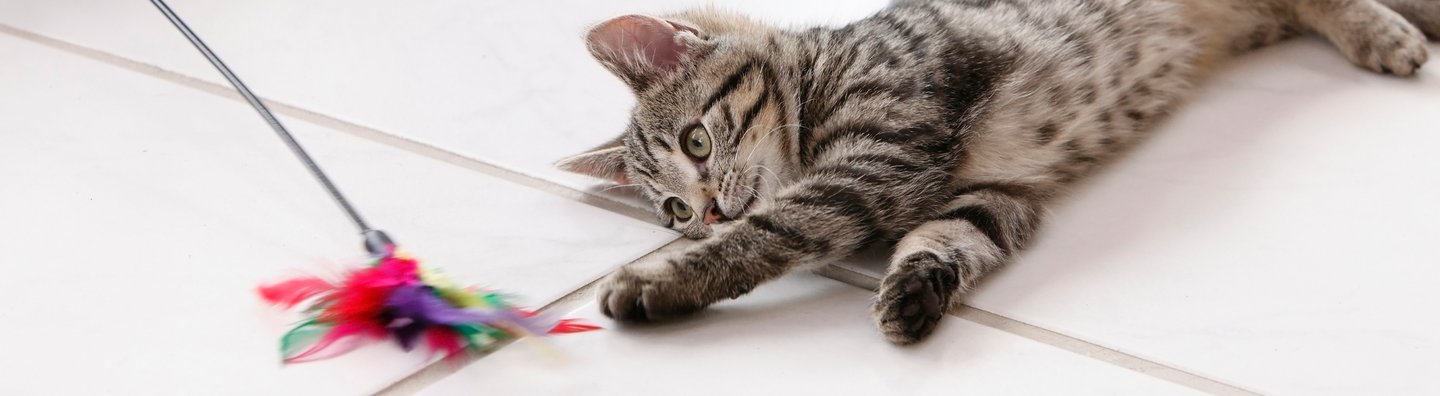
- Interactive play: Engaging your cat with toys and games helps build their confidence and deepen your bond.
Conclusion
Cats and purring go together like peanut butter and jelly. While purring is often a sign of happiness, it can also serve a variety of other purposes, from communication to self-soothing and healing. Whether you’re listening to the gentle hum of kitten purring or the steady rhythm of your senior cat’s purr, understanding their sounds helps you build a stronger bond with your furry companion.
If you want to create the perfect environment for your cat to relax and purr away, be sure to check out Lords & Labradors' range of luxurious cat essentials, including plush beds, cat trees, and tasty treats.
So, next time your feline friend starts their soothing hum, you’ll know they’re communicating with you in the most delightful way!